
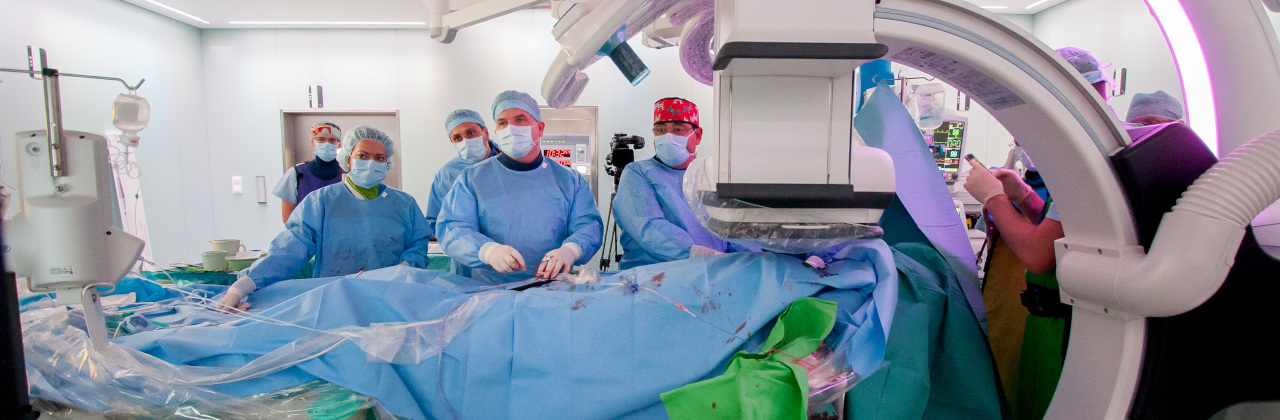

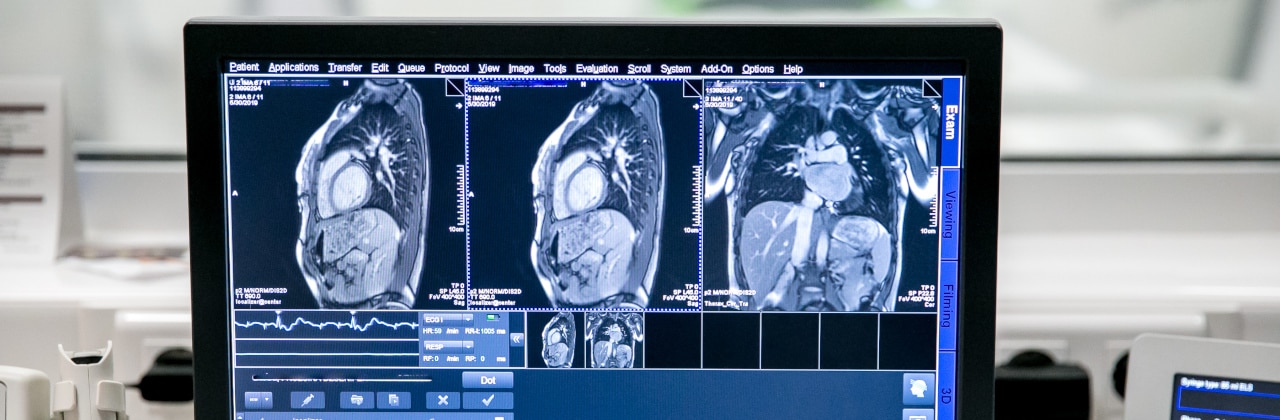
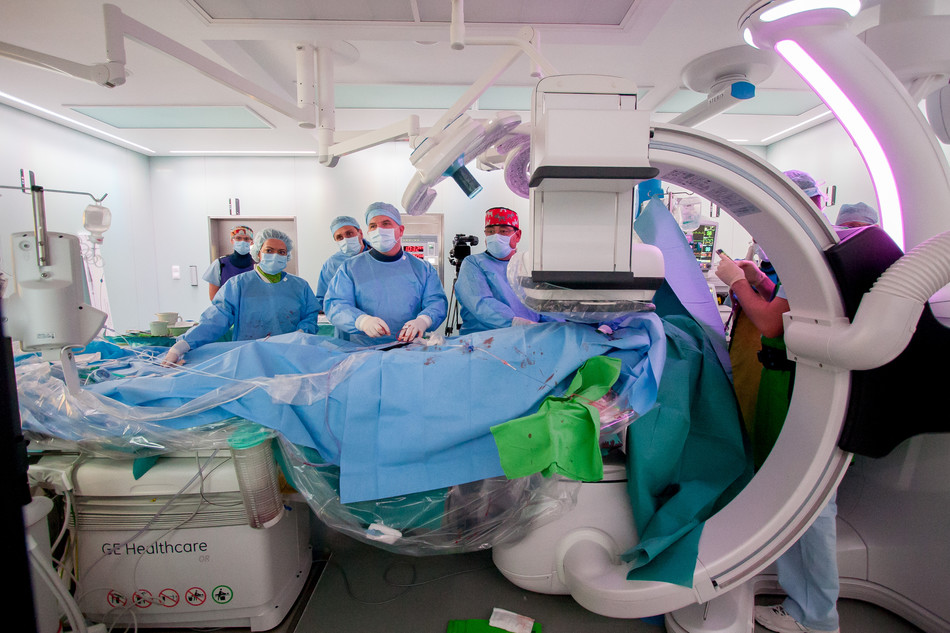
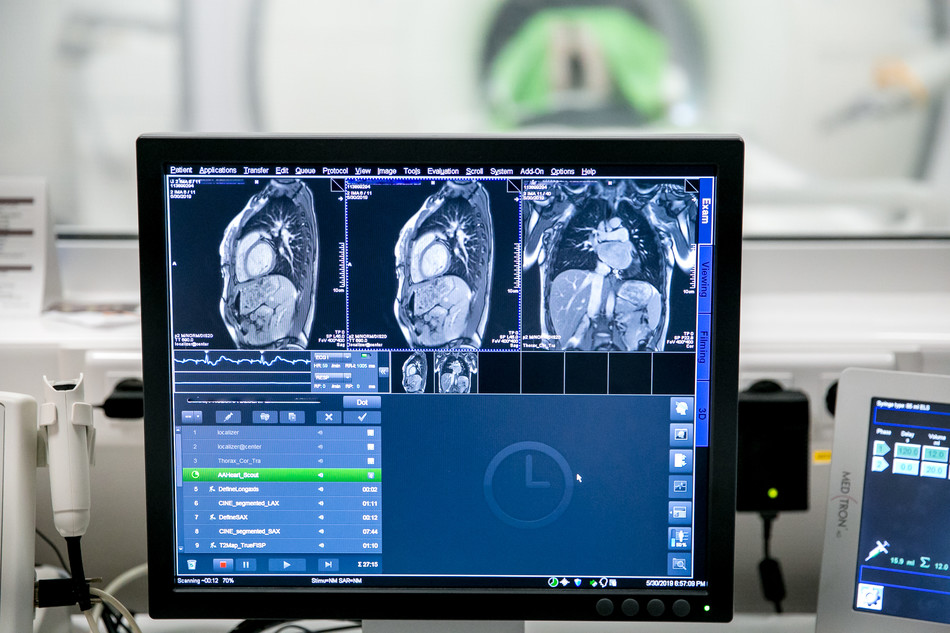
Cardiology has advanced more in the last half century than in the previous 2000 years. From the ancient philosophy of “Don’t touch the heart”, today the heart is just another target organ we invade with a variety of tools and sort of cardio-specific drugs. Application of new therapeutic methods along with preventive medicine in the last four decades resulted in a more than 50% reduction in mortality of heart diseases. Furthermore, because the modern treatment of cardiovascular diseases saves lives and returns patients to work, it has proven highly cost-effective - that may be an important consideration for the upcoming century.
The great success of cardiology is based on the
understanding of basic cardiovascular science and on the development of new diagnostic and therapeutic techniques. The cardiology that we practice today is based on important discoveries and developments that were honored with prestigious prices before.

Einthoven’s clinical studies with the string galvanometer established electrocardiography and opened new horizons to recognize
arrhythmias and ischemic myocardial disorders. Exploration of atherosclerosis pathways and management of hypercholesterolemia by the discovery of statins initiated expansive application of lipid-lowering interventions. Its benefit became manifest via large clinical studies and were used in clinical practices for the primary and secondary prevention of
coronary artery disease. On the other hand extraordinary achievement has been accomplished in the interventional revascularization therapy from Forssmann’s first human cardiac catheterization to coronary angioplasty and stenting, thrombus aspiration, rotablation or intravascular ultrasonography. Reduced potential of pharmacologic therapy of
heart failure and expanding knowledge of clinical electrophysiology led to the invention of implantable cardioverter defibrillator, biventricular pacemaker, electroanatomical mapping and ablation. Moreover cardiac surgery escalated to perform heart transplantation and implant cardiac assist devices - even total artificial heart - to replace the function of the human heart. Learning how to manipulate
genes and stem cells may also help scientists to understand the causes of cardiovascular diseases and to find new therapeutic approaches of cardiac disorders.
Semmelweis Symposium is an annual meeting of Semmelweis University focusing on the latest results of several topics in medical sciences. This year, cardiology is in the focus of the Symposium and the members of the
Heart Center take the opportunity to kindly invite you to this event. We invited professors with highest respect on the field of cardiology to present the current opinion of the above detailed topics of cardiac sciences. We hope that this meeting will fasten the prior partnerships and initiate an expansive network around the one year old Heart Center of Semmelweis University.
On behalf of the organizers
Béla Merkely